
The Landscape
Glut1 Deficiency Research
We're driving progress in the search for treatments and cures.

Our Plan
Explore the Research Compass
Rare disease research is hard. We want to make the best use of limited time and resources to bring the most meaningful help and hope to our patients and families. That’s why we created the Research Compass: a list of critical research questions and the tools needed to answer them.
We will continually add publications, projects, people, and places to create a comprehensive information hub—so information is easily accessible and researchers can connect and collaborate. Please let us know if you'd like to be included!


Research Grant Program

Clinical Trial Information

Natural History Study
Research Tools & Biorepository

Professional Network
driving progress
Patient-Led Initiatives
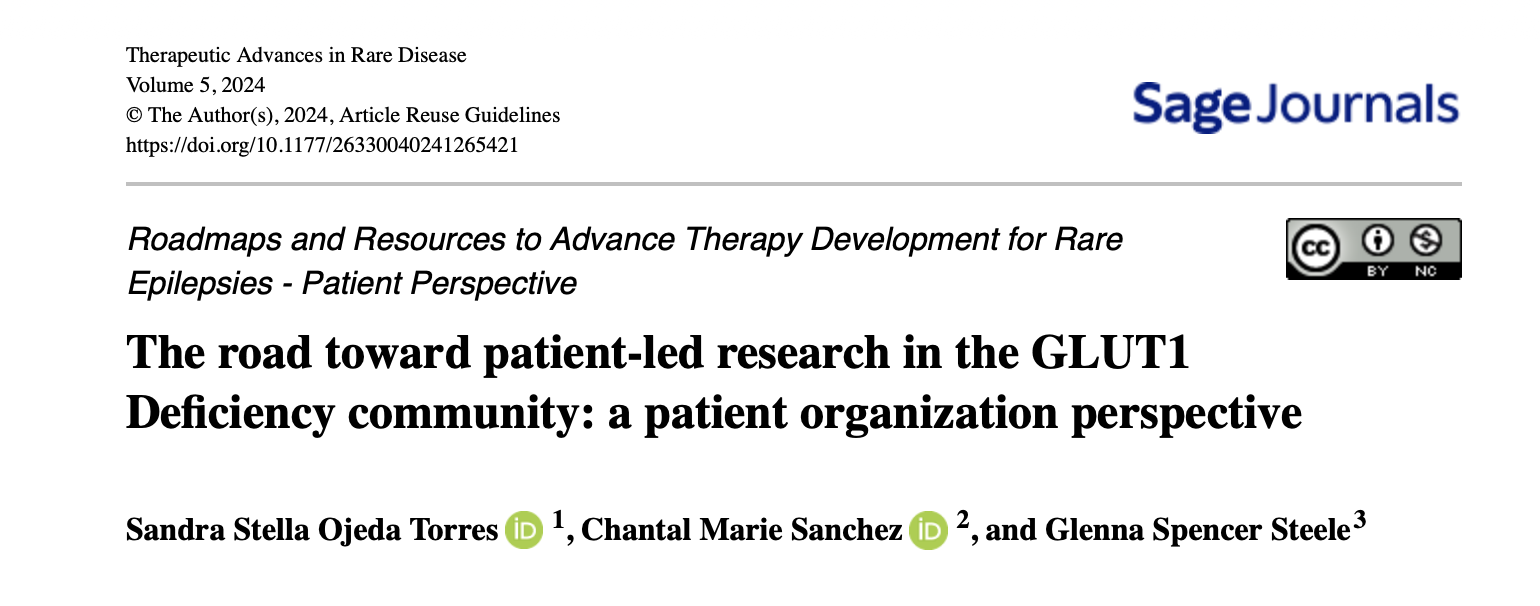
Check out our recent publication, outlining our efforts to provide strategy, support, tools, direction, and inspiration to help advance research progress.
Convening the Scientific Community
Research Roundtables

We've hosted quarterly Research Roundtables to bring scientists and clinicians together to share ideas and build partnerships and collaborations to help them go faster and farther in their work.
We'll make the transition to an annual virtual Research Roundtable in January 2025 and are pleased to announce the addition of our in-person Research Workshop in July 2025.
Please join the Professional Network to get details and registration links to these convenings.
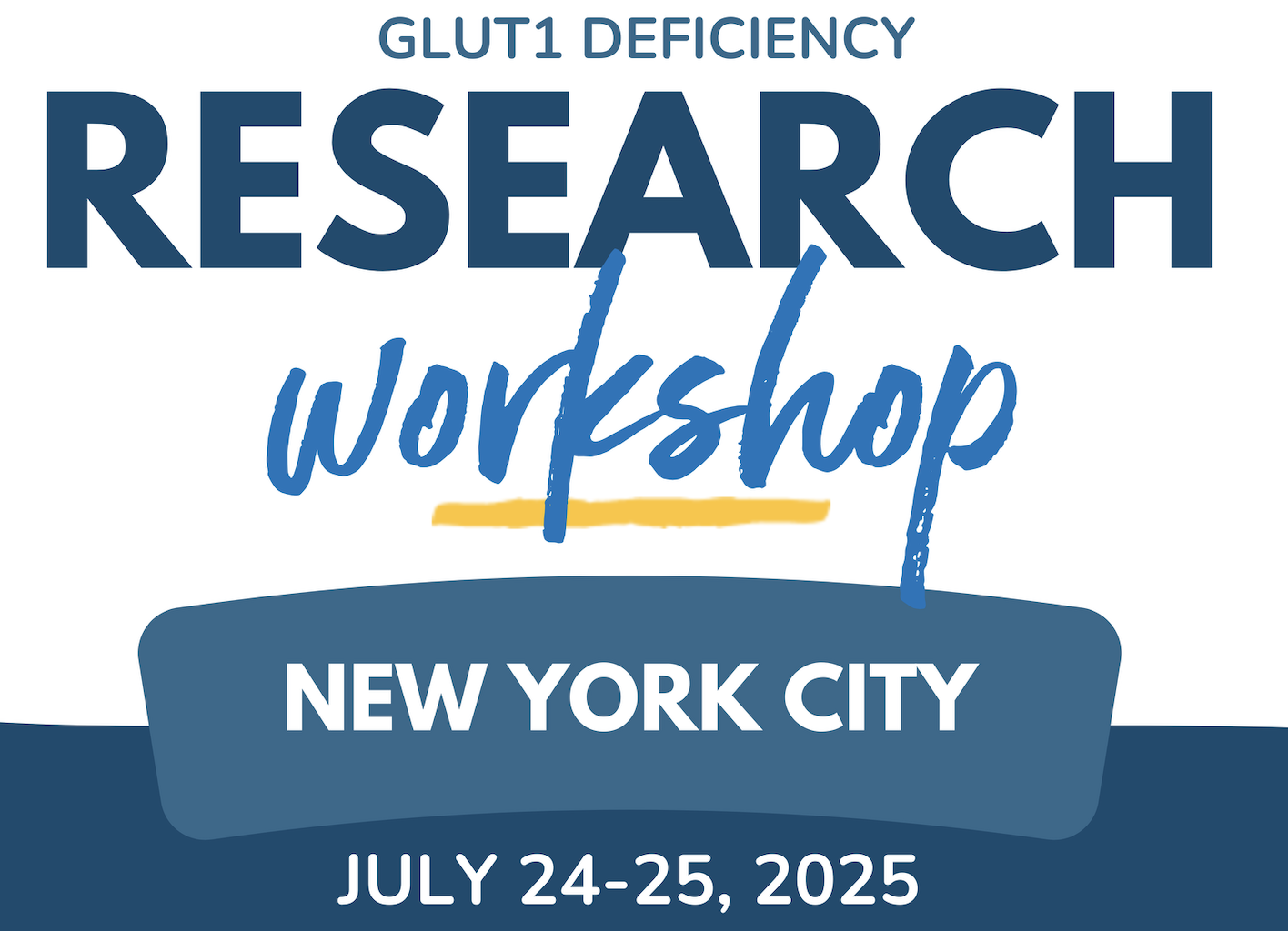
We will host our inaugural Research Workshop in July 2025 in New York City. We welcome scientists and clinicians eager to help drive research progress and improve patient care as we come together to share updates, launch projects, and foster collaborations.
current
Research Focus
- MECHANISMS: Glut1 as a master regulator
- CROSS-DISEASE INSIGHTS: a model disease for understanding Glut1 and aberrant brain glucose metabolism (Alzheimer's, Parkinson's, MS, ALS, Lafora Disease, immune disorders, cancer)
- METABOLISM: other sugars, glycoproteins, glycogen - multiple pathways impacted by low glucose
- GLUT1 ACTIVATORS AND REGULATORS: high throughput screens, drug repurposing, RNA's
- BIOMARKER PROJECTS: to diagnose easier and earlier and measure effectiveness of new therapies
- GENE THERAPY: alternative, cell-specific vectors
- GLIAL CELLS: GliaPharm
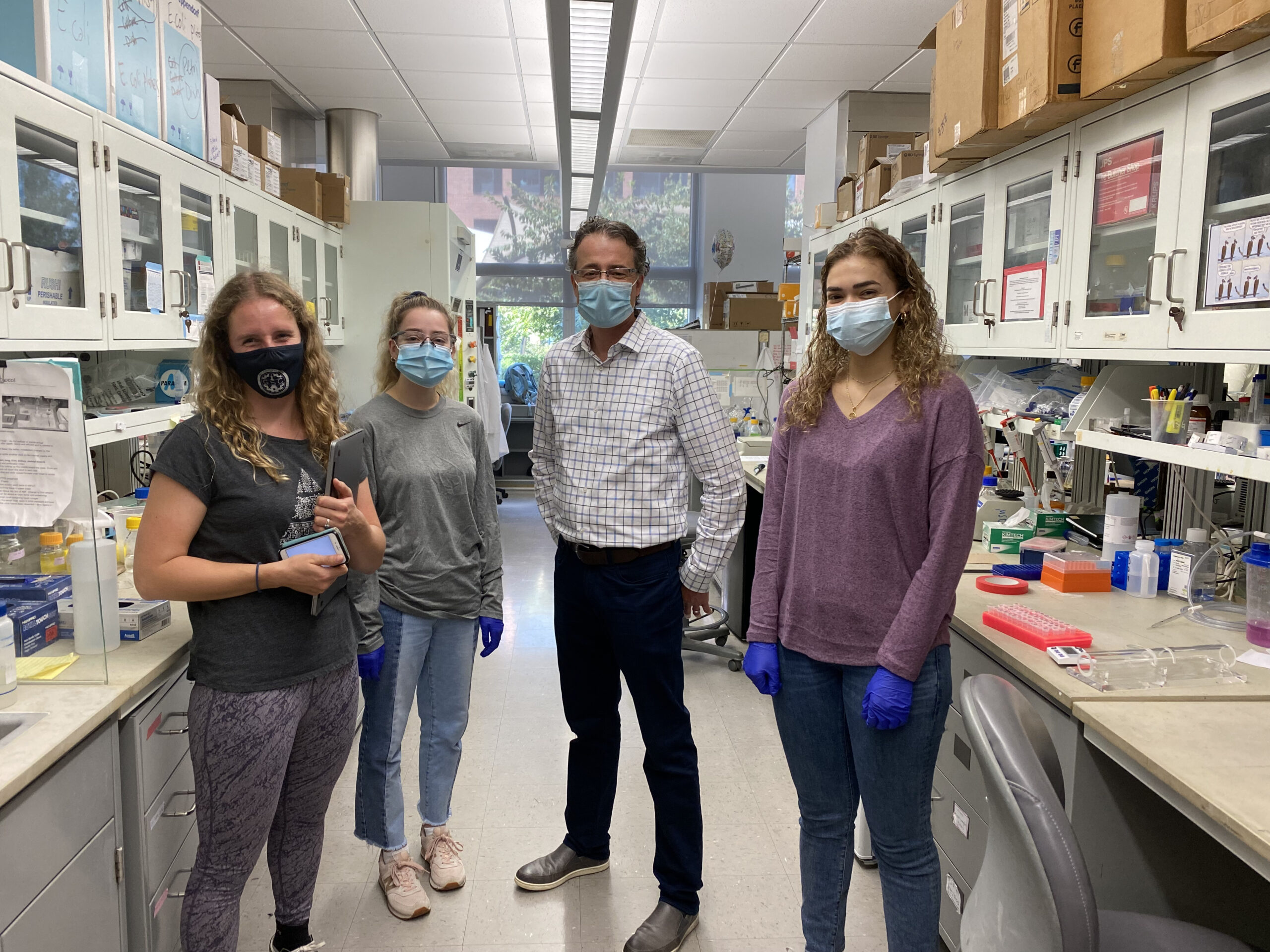
PATIENTS, FAMILIES & CAREGIVERS
Help advance research.
Participate in Natural History Studies
Share your experiences as a patient or caregiver so all of us can better understand all the aspects of this rare disease and find better ways to diagnose and treat it.
Contribute Biosamples for Research
Learn more about our partnerships to establish biobank repositories so researchers have easy access to diverse patient samples to study so they can better understand disease mechanisms.
Build Your Research Literacy
Attend a Research Ready Series event to learn the fundamentals of scientific research and how to help make sure it is focused on what matters most to patients and families.
Consider Brain and Tissue Donation
Brain and tissue donation provide unprecedented insights for researchers and bring comfort, peace, and hope to families during unimaginable loss.
Support the Million Dollar Bike Ride
Join Team GLUT1 in the Million Dollar Bike Ride to help raise money for a GLUT1 Deficiency research grant with matching funds from the Penn Medicine Orphan Disease Center.
Donate to the G1DF
The GLUT1 Deficiency Foundation is working hard to drive progress for improved patient care and research initiatives to bring better treatments and cures.
Our investments
Research Funding
The Glut1 Deficiency Foundation’s Research Grant Program offers funding for research directly related to Glut1 Deficiency and has awarded $1.4 million to projects to help drive research progress toward better understanding, easier diagnosis, and better treatments. These grants are made possible through the generosity of our donors who are inspired by someone they love and care about who is affected by Glut1 Deficiency.
The G1DF grants are intended to provide seed funding in areas identified in our Research Compass that have not been fully explored or provide funding to sustain or provide resources for ongoing laboratory research programs.
Our work is not done.
Until there is a cure for Glut1 Deficiency, we will continue to fund research and drive progress. Join us on this mission.